Archives
- 2026-10
- 2026-09
- 2026-08
- 2026-07
- 2026-06
- 2026-05
- 2026-04
- 2026-03
- 2026-02
- 2026-01
- 2025-12
- 2025-11
- 2025-10
- 2025-09
- 2025-04
- 2025-03
- 2025-02
- 2025-01
- 2024-12
- 2024-11
- 2024-10
- 2024-09
- 2024-08
- 2024-07
- 2024-06
- 2024-05
- 2024-04
- 2024-03
- 2024-02
- 2024-01
- 2023-12
- 2023-11
- 2023-10
- 2023-09
- 2023-08
- 2023-06
- 2023-05
- 2023-04
- 2023-03
- 2023-02
- 2023-01
- 2022-12
- 2022-11
- 2022-10
- 2022-09
- 2022-08
- 2022-07
- 2022-06
- 2022-05
- 2022-04
- 2022-03
- 2022-02
- 2022-01
-
The studies have described that Candida non albicans are con
2023-11-08
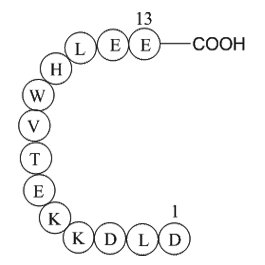
The studies have described that Candida non-albicans are considered as remarkable pathogenic agents of OPC, and among them, C. tropicalis and C. glabrata are known as major strains that may replace C. albicans as the greatest causing agent of this infection [20], [21]. It has been shown that Candida
-
Similar to Cys Met can undergo ROS mediated
2023-11-08

Similar to Cys, Met can undergo ROS-mediated oxidation to Met sulfoxide, which can result in changes in protein conformation and activity [43]. In our results, the Met content in wild ginseng is higher compared to cultivated ginseng (1.3 times, Table 1). Met is a substrate for the synthesis of vario
-
Ginsenosides are the major bioactive constituents
2023-11-08
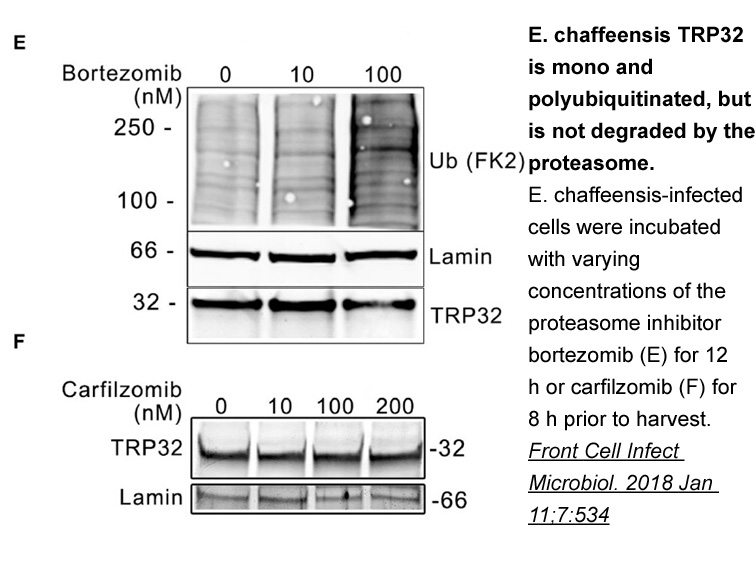
Ginsenosides are the major bioactive constituents of the Panax ginseng root, which contain many types of ginsenosides including Rb1, Rg1, Rc, and Rg3. The ginsenoside Rb1 appears to be the most abundant of the bioactive ginsenosides [15]. Rb1 exhibits antiinflammatory, anticarcinogenic, and antioxid
-
The fact that Yoda can activate Piezo in the absence
2023-11-08
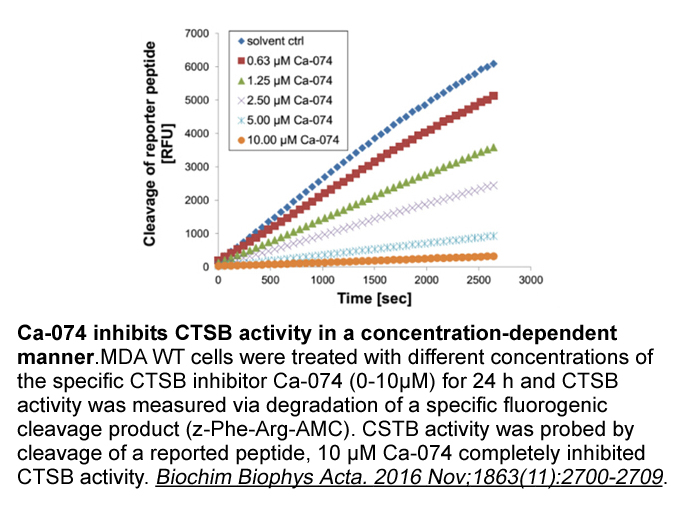
The fact that Yoda1 can activate Piezo1 in the absence of other cellular components other than a cell membrane [2], suggests that it may directly interact with and activate Piezo1. However, this does not preclude Yoda1 from interacting and activating non-Piezo channels, particularly in endothelial c
-
The reduced IFN production seen with BPAL primed splenocytes
2023-11-08
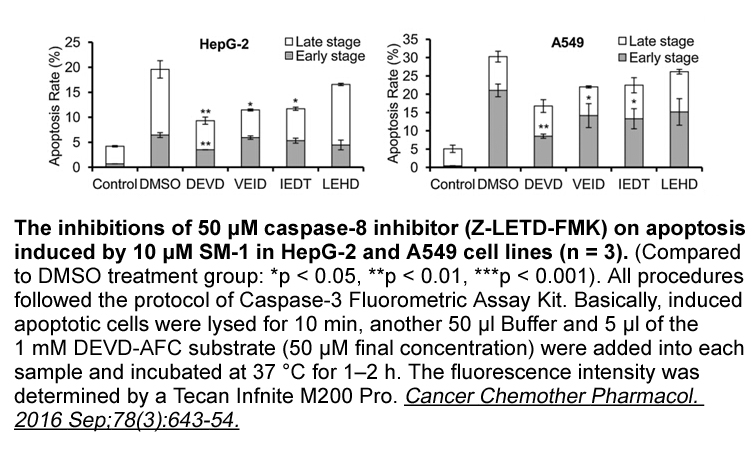
The reduced IFNγ production seen with BPAL10-primed splenocytes could potentially be attributed to the impaired intracellular survival of B. pertussis, thereby leading to a weakened induction of cell-mediated immunity. Earlier studies have suggested an antimicrobial role of IFNγ in mediating the eli
-
MPC 6827 hydrochloride In our previous report we synthesized
2023-11-08
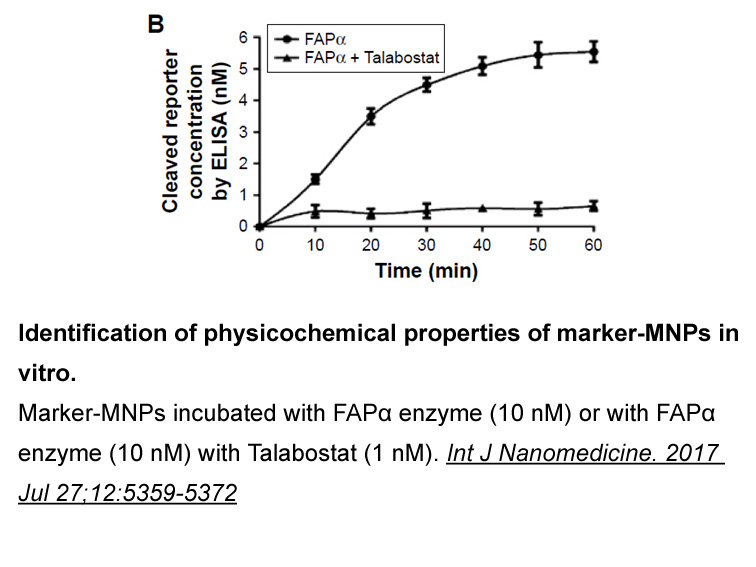
In our previous report, we synthesized derivatives with some straight chain residues on the 2-position of the 3-cyanopyridine ring of compound 1. In this time we tried to introduce aromatic ring on the chain of the 2-position. Namely, we replaced the hydroxyl-alkylamino group in the position 2 of t
-
Our outcrossing data confirmed that ACL and ACL
2023-11-08
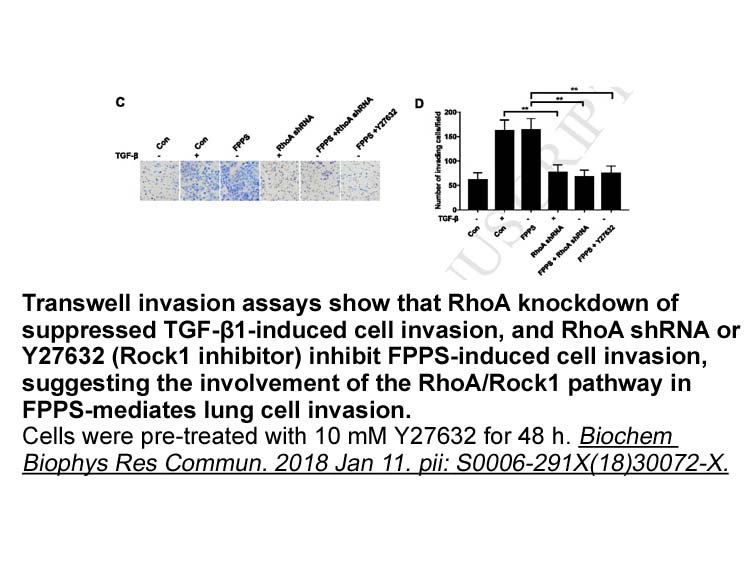
Our outcrossing data confirmed that ACL1 and ACL2 have important temporal and spatial functions in ascospore delimitation in G. zeae. When each ACL deletion mutant was used as male for outcrossing, nuclear division and spore delimitation were not properly progressed in most asci. Ascospores that con
-
Although TP status has been shown
2023-11-08
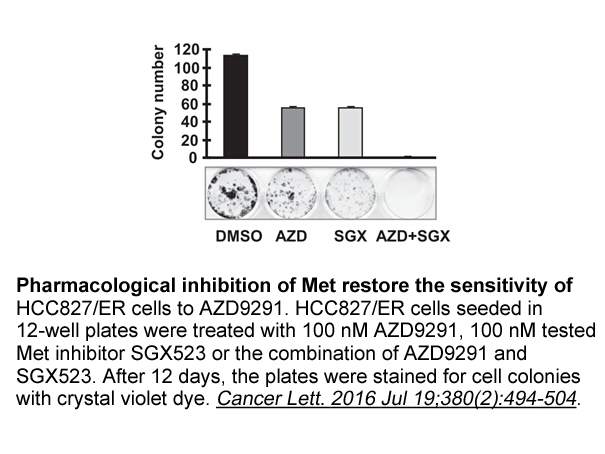
Although TP53 status has been shown to play a role in ATR inhibition and platinum resistance [7], [27], [38], in inhibition of ATM and sensitivity to IR [39], and in the activation of Chk1 and Chk2 [3], [4], ATM and ATR signaling can occur through the p38MAPK/MK2 pathway in p53-deficient ARQ 197 syn
-
Introduction Apoptosis signal regulating kinase ASK a family
2023-11-07
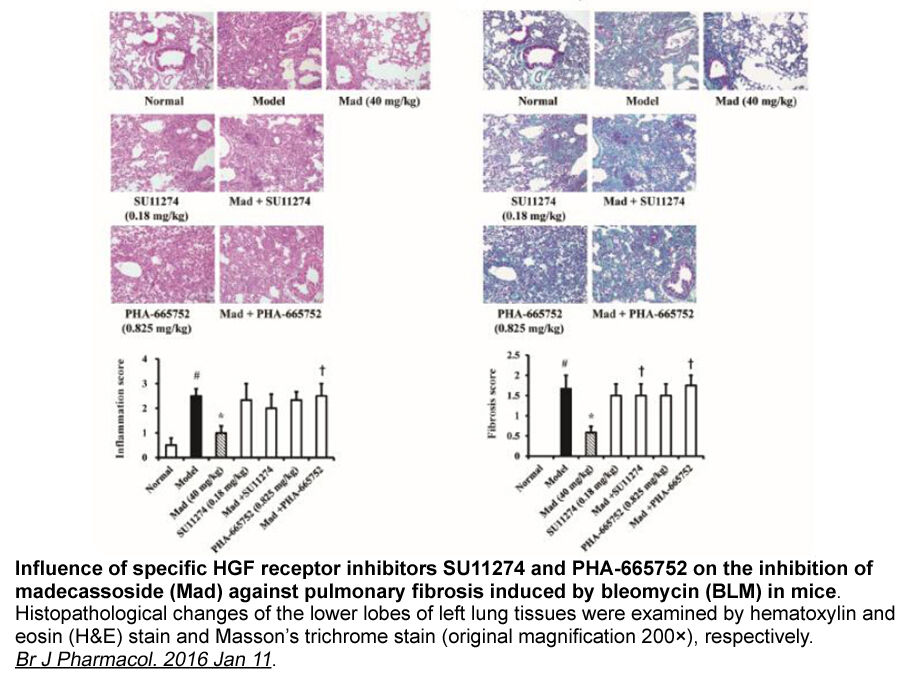
Introduction Apoptosis signal-regulating kinase 1 (ASK1), a family member of the mitogen-activated protein (MAP) kinase kinase kinase (MAP3K) family, selectively activates the JNK and p38 MAP kinase pathways in response to various types of stresses, including oxidative stress, and subsequently indu
-
Although AMPK is a negative
2023-11-07
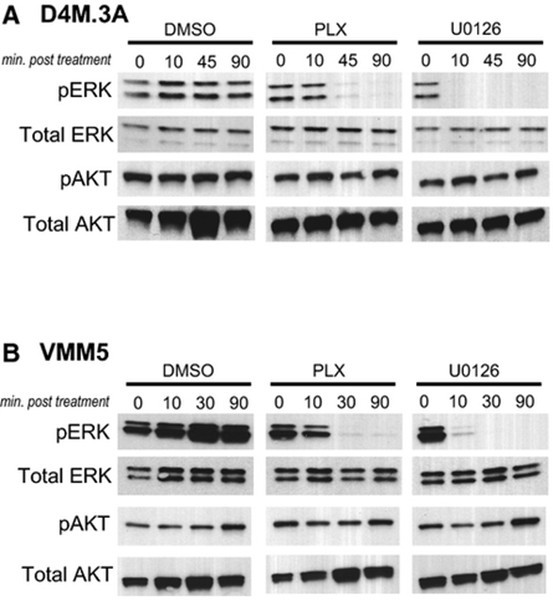
Although AMPK is a negative regulator of bioenergetic reprogramming in cancer cells, little is known about the role of AMPK in immunometabolism in sepsis. Our current study indicates that AMPKα dysfunction enhances PKM2-dependent aerobic glycolysis, which results in HMGB1 release in macrophages and
-
br AHR mediates TCDD toxicity
2023-11-07
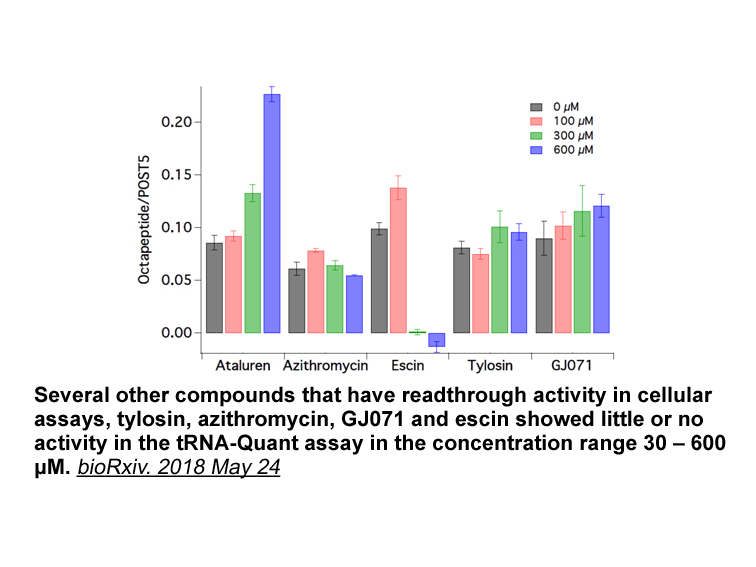
AHR mediates TCDD toxicity and wasting syndrome TCDD causes numerous toxicities in laboratory animals, including teratogenesis, hepatic steatosis, thymic atrophy, immune dysfunction and a lethal wasting syndrome [17]. The dose-dependent sensitivity to TCDD-induced toxicities varies widely among l
-
B lymphocytes are found in blood lymph nodes spleen and
2023-11-07
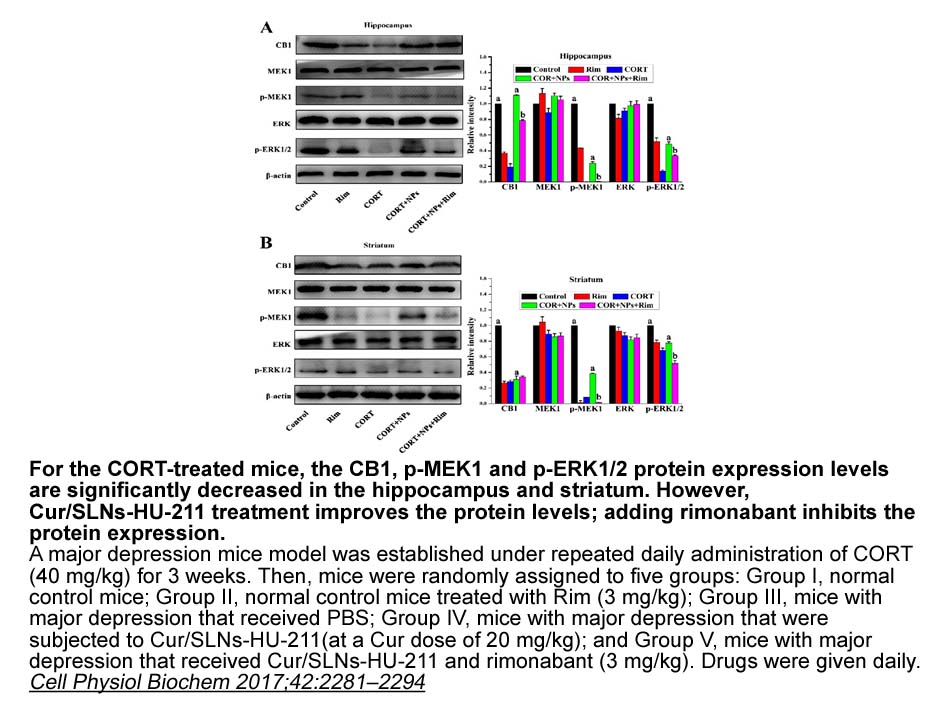
B lymphocytes are found in blood, lymph nodes, spleen and tonsil and other mucosal tissues [110]. These cells originate in the bone marrow from a common progenitor shared with T, NK, and some DC subsets [111]. Progenitor YM 58483 progress through the early stages of maturation, rearranging heavy- a
-
br Acknowledgement br Introduction There has been
2023-11-07
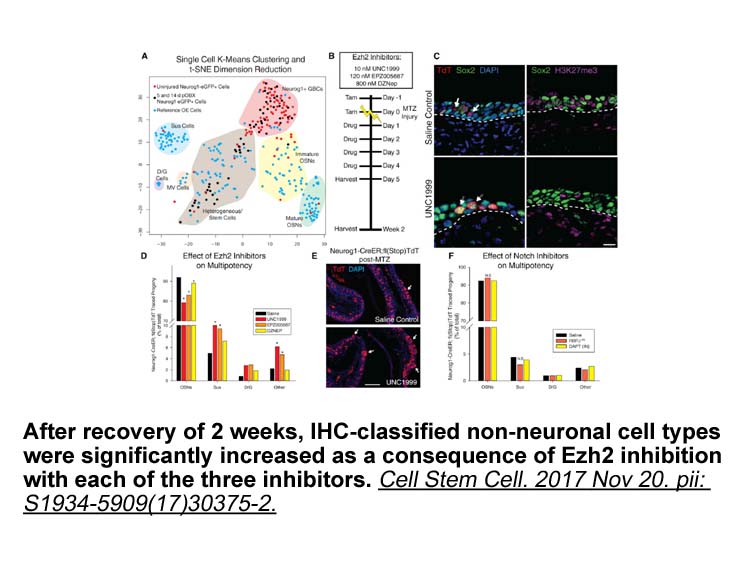
Acknowledgement Introduction There has been great progress in the treatment of autoimmune disease during the past several decades. However, the majority of autoimmune diseases have no known cure. B lymphocytes and autoantibodies play important roles in many autoimmune diseases, including rheum
-
The adult muscle type acetylcholine receptor AChR the
2023-11-07
The adult muscle-type 3-Deazaneplanocin receptor (AChR), the exemplar pLGIC, is a heteropentamer comprising two α subunits, and one each of the β, δ, and ɛ subunits (Sine, 2012). These five subunits come together in a counterclockwise α-ɛ-α-δ-β arrangement (Figure 1A). Binding of acetylcholine to t
-
br Trauma and ACEs screening the past present and
2023-11-07
Trauma and ACEs screening: the past, present, and future Traditionally, allopathy’s biomedical model has utilized an etic perspective; the outsiders’ view of the problem. Development of diagnostic screening tools requires an etic approach, which relies heavily on a completely objective perspectiv
8137 records 289/543 page Previous Next First page 上5页 286287288289290 下5页 Last page