Archives
- 2026-10
- 2026-09
- 2026-08
- 2026-07
- 2026-06
- 2026-05
- 2026-04
- 2026-03
- 2026-02
- 2026-01
- 2025-12
- 2025-11
- 2025-10
- 2025-09
- 2025-04
- 2025-03
- 2025-02
- 2025-01
- 2024-12
- 2024-11
- 2024-10
- 2024-09
- 2024-08
- 2024-07
- 2024-06
- 2024-05
- 2024-04
- 2024-03
- 2024-02
- 2024-01
- 2023-12
- 2023-11
- 2023-10
- 2023-09
- 2023-08
- 2023-06
- 2023-05
- 2023-04
- 2023-03
- 2023-02
- 2023-01
- 2022-12
- 2022-11
- 2022-10
- 2022-09
- 2022-08
- 2022-07
- 2022-06
- 2022-05
- 2022-04
- 2022-03
- 2022-02
- 2022-01
-
The ketone body receptor HCA
2022-01-14
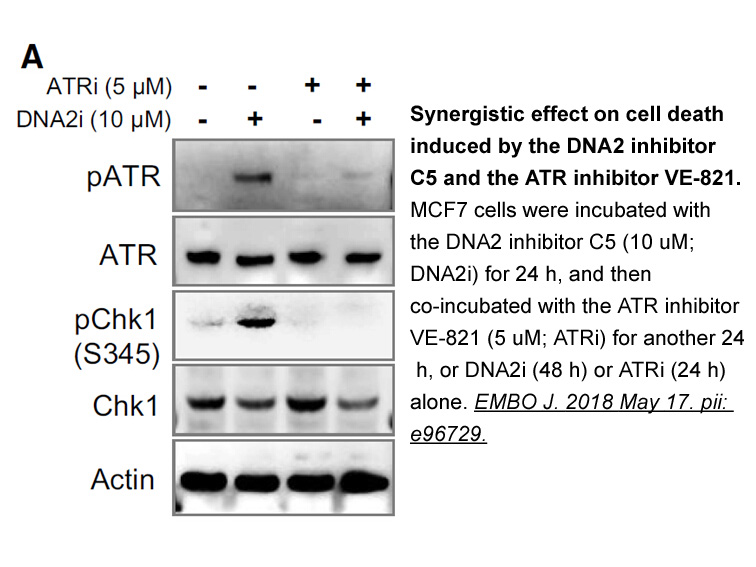
The ketone body receptor HCA2 is most likely not active under normal conditions, since local levels and plasma levels of ketone bodies such as β-HB are too low to activate the receptor. However, overnight fasting or prolonged starvation results in plasma levels of the ketone body in the millimolar r
-
KYNA has been shown to regulate iNKT cytokine
2022-01-14
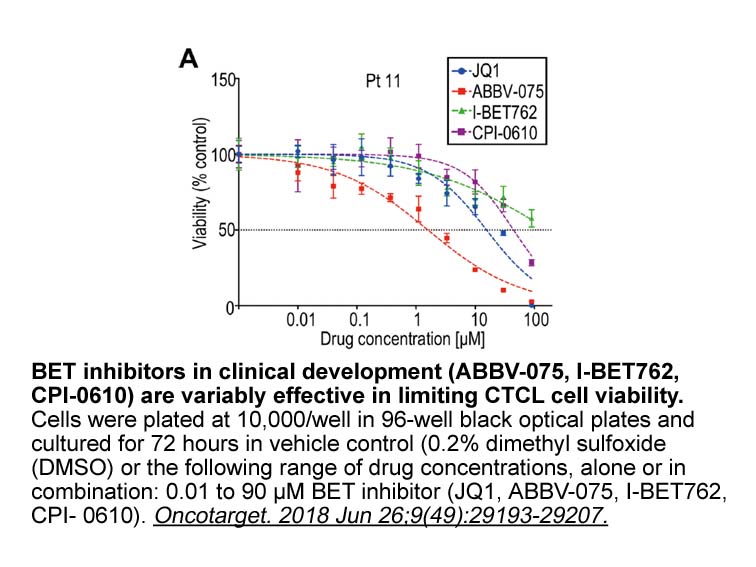
KYNA has been shown to regulate iNKT cytokine release (Fallarini et al., 2010) and at high concentrations to reduce LPS-induced TNFα release from cultured peripheral blood mononuclear Pimozide receptor (Wang et al., 2006). Our results show that elevating KYNA to “exercised” levels is sufficient to
-
Based on the role of
2022-01-14

Based on the role of NMDA receptors in initiation and propagation of epileptic seizures and on potentiation of NMDA function by glycine, it has been hypothesized that glycine will have proconvulsant activity (Foster and Kemp, 1989). Indeed, there is some evidence that human epileptogenic foci, remov
-
Introduction Glucocorticoids are released in response to str
2022-01-14
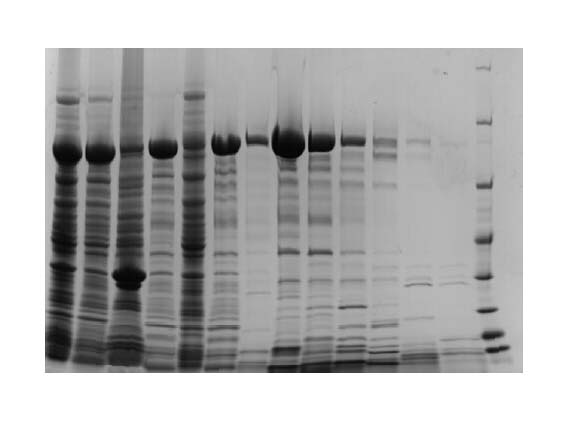
Introduction Glucocorticoids are released in response to stress and play an important role in inflammation, cellular growth, development, body fluid homeostasis, carbohydrate, lipid, and protein metabolism. However, circulating glucocorticoid excess has been associated with a classical phenotype of
-
Consistent with recent independent studies we confirm
2022-01-14
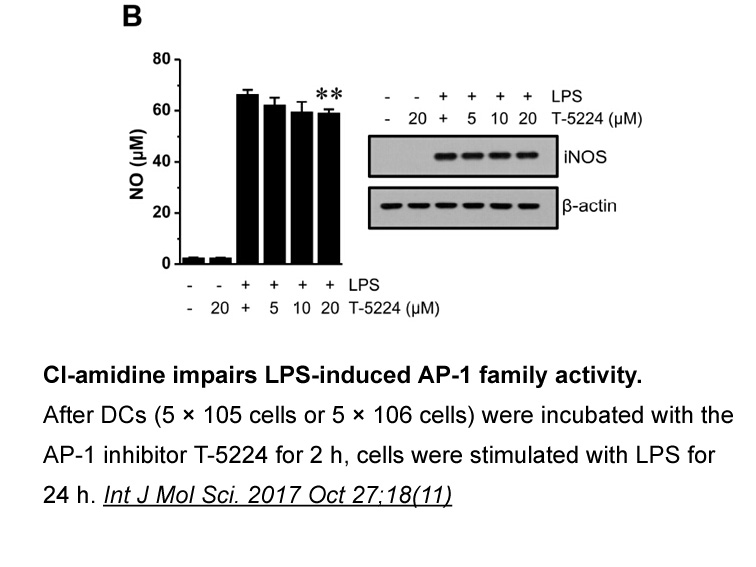
Consistent with recent independent studies, we confirm that the GCG-induced increase in oxygen consumption is only partially blunted in Fgf21−/− mice [32], implicating additional GCGR-dependent mechanisms contributing to the acute GCG-dependent enhancement of energy expenditure. Notably, glucagon ad
-
The results obtained here in int Gr
2022-01-13
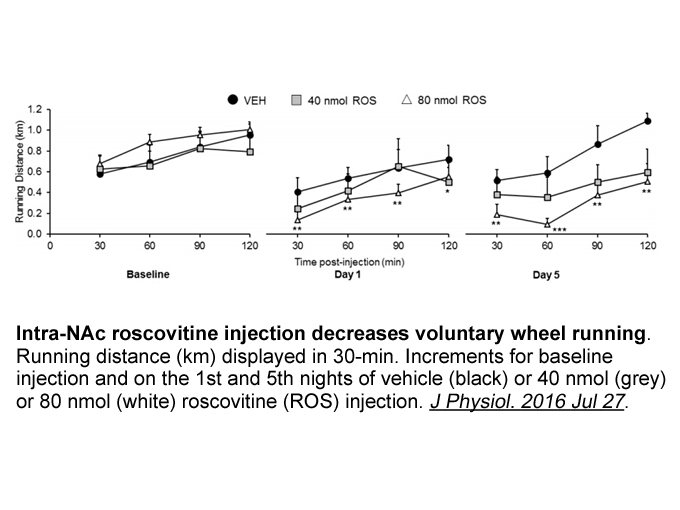
The results obtained here in int-Gr+/+ and int-Gr−/− mice suggested that Gr is required to maintain basal level of Fgf15 expression in the ileum, whereas DEX treatment is able to reduce Fgf15 mRNA in a Gr-independent manner. In previous in vitro studies we have already shown that GC are able to affe
-
br Discussion and concluding remarks FPR is considered to
2022-01-13
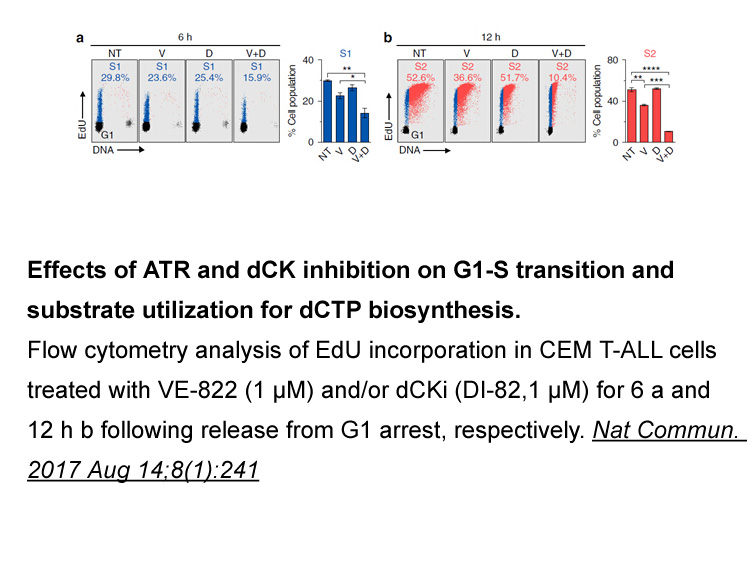
Discussion and concluding remarks FPR1 is considered to be a promising drug target for treating inflammatory and immunological diseases. Thus, natural compounds that could block and/or regulate FPR1 activity may be an important source of novel therapeutics for modulating inflammatory processes. H
-
In terms of outcome measures
2022-01-13

In terms of outcome measures, statistically significant differences were only observed in need for invasive mechanical ventilation (23% vs 46%, p-value 0.005) and in-hospital mortality (13% vs 37%, p-value 0.002). Both these outcomes were still statistically significant following adjustment for con
-
Although epigenetic mechanisms are implicated in the
2022-01-13
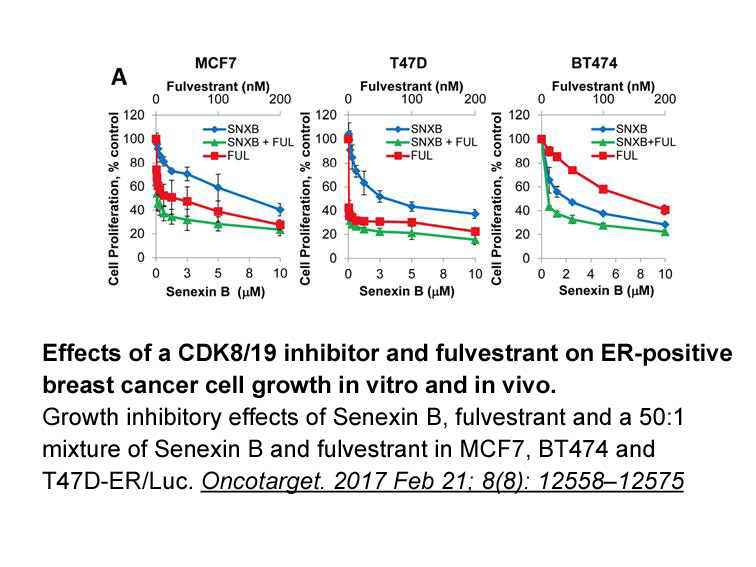
Although epigenetic mechanisms are implicated in the pathogenesis of hematopoietic malignancies, little is known about the role of lysine-specific histone demethylases and whether manipulation of these enzymes can be translated into targeted therapies. KDM6A is the most frequently mutated histone de
-
br Prostaglandins meet Hippo The
2022-01-13
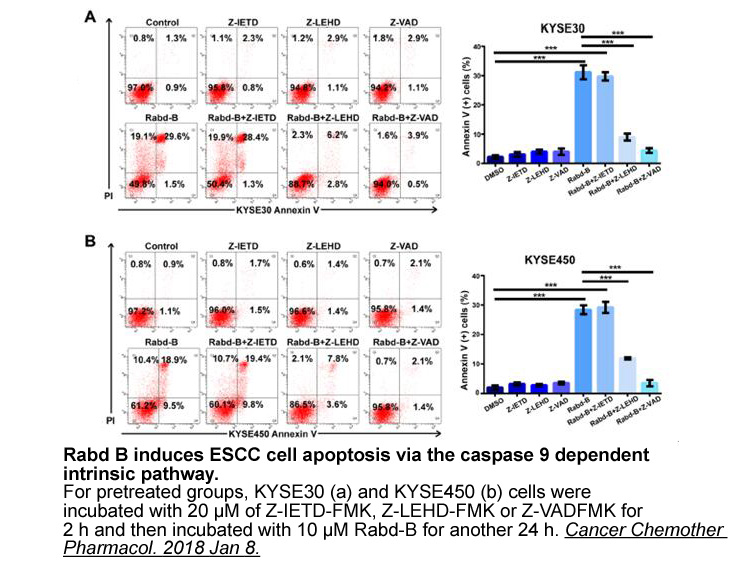
Prostaglandins meet Hippo The prostaglandins lie at the crossroads between inflammation, regeneration and tumorigenesis (Figure 3). Prostaglandins are synthesized from archidonic PS-1145 by Cox1 and Cox2 enzymes [40, 41] and in the gut, prostaglandin E2 (PGE2) protects against DSS-induced colitis
-
The obtained sequence was deposited in
2022-01-13
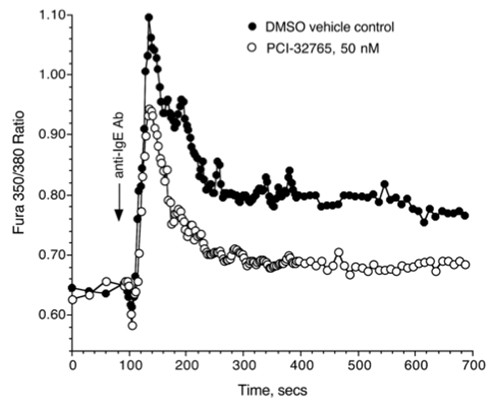
The obtained sequence was deposited in GenBank under accession number MG703576; it showed a 99% identify with sample HE817764, reported as Demodex cornei, and with JF784000, reported as D. canis. Molecular and phylogenetic analyses and the morphological characteristics helped to rule out D. cornei.
-
The imidazopyridines and related imidazopyrimidines and were
2022-01-13
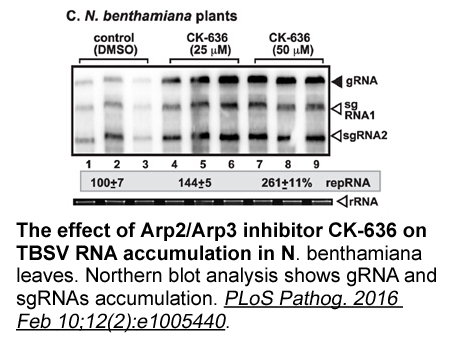
The imidazopyridines and related imidazopyrimidines – and – were constructed from the key amine intermediates – ( X=CH and Ar=2-FPh, X=N and Ar=2-FPh, X=CH and Ar=5-pyrimidine, X=CH and Ar=2-methyl-5-pyrimidine, and X=CF and Ar=2-methyl-5-pyrimidine). These were synthesized a modified Horner–Em
-
Pemetrexed br Conflict of interest statement br
2022-01-13

Conflict of interest statement Acknowledgements RF is supported by Pancreatic Cancer Research Fund (grant to MF); MF is supported by Prostate Cancer UK (PG12-23 and PG13-029). Background Lysophosphatidylinositol Molecular species and the biosynthesis of phosphatidylinositol, the precu
-
br Materials and methods br Results br Discussion In
2022-01-13
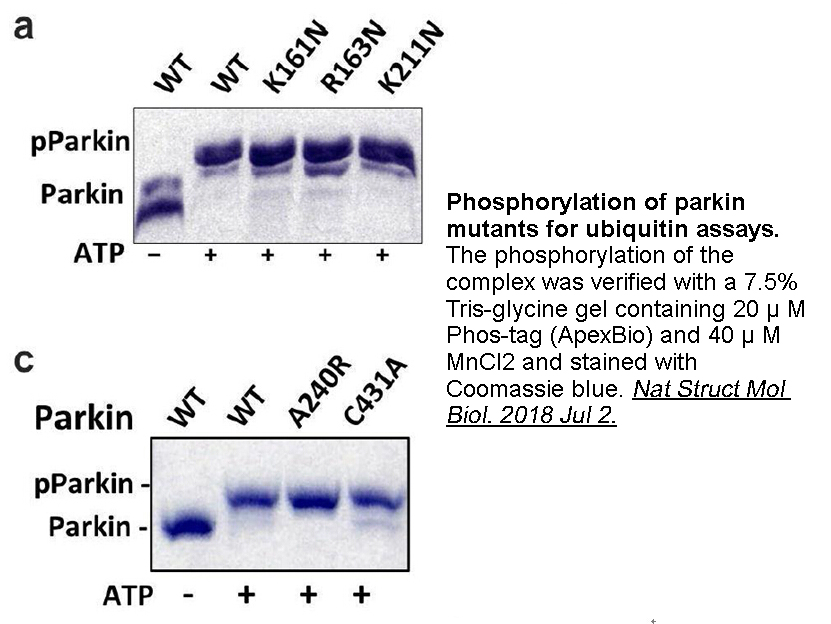
Materials and methods Results Discussion In the CNS, GLP-1R is associated with G-protein signal transduction pathways, which can activate adenylyl cyclase and protein kinase A by cyclic adenosine monophosphate, and mediates neuronal activities implicated in various pathophysiological change
-
As glucagon stimulated hepatic glucose production is a
2022-01-12
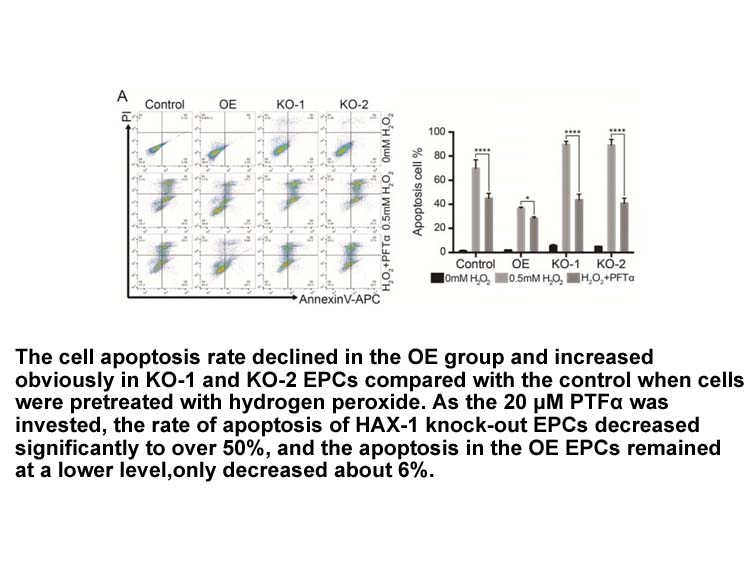
As glucagon-stimulated hepatic Norfloxacin production is a key component of the normal response to hypoglycemia, the potential of a GCGr antagonist to delay or prevent recovery from a hypoglycemic state is a critical safety issue that must be addressed. Studies of the effects on time to recovery fro
8135 records 536/543 page Previous Next First page 上5页 536537538539540 下5页 Last page